

Dance is an art form—but it’s also an athletic pursuit that places significant demands on the body. Whether you’re training in ballet, jazz, hip-hop, or modern, each movement requires strength, flexibility, balance, and coordination. And yet, many dancers push through pain, ignore signs of overuse, or receive care that doesn’t fully consider the unique mechanics of dance.
That’s where dance physical therapy makes the difference.
At Elevation PT in High Bridge, NJ, we specialize in helping dancers recover from injury, prevent future setbacks, and perform at their best. Our goal is to help you move with more ease, control, and confidence—so you can keep dancing stronger and longer.
Common Injuries Across Dance Styles (and Why They Happen)
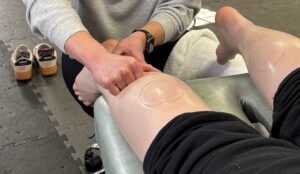 While every style of dance is different, the types of injuries dancers experience often share common patterns. Repetitive movements, joint hypermobility, improper mechanics, and overtraining can lead to a wide range of musculoskeletal issues.
Some of the most common dance injuries include:
- Ankle sprains
- Achilles tendinopathy
- Patellofemoral pain (knee pain)
- Hip impingement or snapping hip syndrome
- Low back pain or sacroiliac (SI) joint dysfunction
- Stress fractures in the foot or shin
- Hamstring and adductor strains
These injuries don’t happen in isolation—they often develop over time due to alignment issues, lack of neuromuscular control, or insufficient cross-training. Physical therapy helps address the root causes, not just the symptoms.
What Is Dance Physical Therapy and How Is It Different?
Dance physical therapy is a specialized form of rehab and performance care tailored to the unique needs of dancers. Unlike general orthopedic physical therapy, which may focus on broad injury treatment, dance PT evaluates how your entire body moves as a system—through the lens of dance technique.
This includes assessing:
- Turnout mechanics
- Core and pelvic control
- Balance and proprioception
- Functional flexibility and strength
- Motor control in complex patterns (like leaps, turns, and floorwork)
Your therapist understands the language of dance and can evaluate you in the positions and movements that matter most for your style. Whether you’re prepping for pointe work, refining your arabesque, or recovering from a fall during rehearsal, dance PT meets you where you are.
Injury Prevention: Training Smart to Dance for Life
You don’t need to be injured to benefit from physical therapy. In fact, the most sustainable dance careers are built on proactive care—not reactive treatment.
At Elevation PT, we work with dancers to build strength, stability, and coordination that supports long-term performance. Our injury prevention strategies include:
- Individualized strength training programs
- Balance and proprioception drills
- Functional movement screening
- Joint stability and mobility assessments
- Education on recovery, load management, and training progression
By identifying small inefficiencies early, we can help you avoid larger setbacks down the line. Think of it as a training tune-up for your instrument—your body.
Recovery and Rehabilitation: Returning to Dance with Confidence
When injuries do occur, physical therapy plays a vital role in helping dancers return to class, rehearsal, and performance—safely and confidently. Rehabilitation is about more than just getting rid of pain. It’s about restoring function, range of motion, strength, and control.
Our approach at Elevation PT includes:
- Manual therapy to address soft tissue or joint restrictions
- Neuromuscular retraining to improve control and stability
- Sport-specific loading and functional strength progression
- Re-integration into dance-specific skills and choreography
- Emotional and psychological support through recovery
We also help bridge the gap between rehab and return to dance. That might include working with your dance instructor, reviewing video of your technique, or helping you ease back into choreography with modifications.
Supporting Dancers at Every Stage: From Student to Professional
Dancers are athletes, artists, and technicians—and their needs change over time. Whether you’re 12 years old in a competition program or a professional performing five nights a week, your physical therapy should reflect your current level, goals, and schedule.
At Elevation PT, we work with:
- Young dancers learning foundational strength and technique
- Pre-professionals managing training volume and pointe readiness
- College dancers balancing academic and performance demands
- Professionals focused on career longevity, mobility, and endurance
- Adult dancers returning after time away or managing recurring pain
We believe in education just as much as rehabilitation. By teaching dancers how to care for their bodies and train smart, we help them stay in the studio—not sidelined by injury.
Pointe Readiness, Flexibility Goals, and Functional Screening
Not every dancer has the same goals—and physical therapy should reflect that. Whether you’re striving to improve your splits, master grand battement, or transition to pointe work, we can help you build a roadmap.
Examples of our dancer-specific assessments and programs include:
- Pointe readiness evaluations to assess ankle strength, foot mobility, and control
- Flexibility screenings to identify limitations in hamstrings, hip flexors, or turnout
- Functional movement tests to analyze how your body performs high-demand tasks
- Breath and core coordination work to enhance stability in complex movements
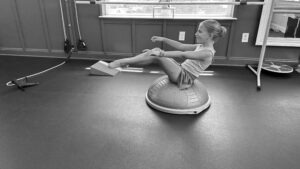 These tools don’t just show us what needs work—they help us measure progress and celebrate wins along the way.
How Elevation PT Helps Dancers in High Bridge Move Better
At Elevation PT in High Bridge, we offer a supportive, movement-centered environment where dancers can feel seen, understood, and empowered. Our clinicians have experience working with performers across multiple genres and skill levels.
What sets us apart:
- One-on-one sessions with movement specialists
- Dance-informed evaluations and care plans
- Integration of strength, flexibility, and injury prevention
- Close collaboration with dancers, instructors, and families
- Long-term support that adapts to your training and performance goals
Our mission is to help you move with clarity and confidence—whether you’re stepping into your first class or preparing for your final curtain call.
Stronger Dancers, Longer Careers
Dancers are passionate, dedicated, and resilient. But they’re also human—and their bodies need care that matches the demands of their art. Dance physical therapy offers a bridge between artistry and athleticism, helping you move better, recover faster, and perform at your highest potential.
Whether you’re managing an injury, chasing a goal, or simply want to protect your body for years of movement ahead, Elevation PT is here to support your journey. You don’t have to dance through pain or wait for things to get worse—there’s a smarter way to train, heal, and thrive.
Move strong. Dance long. We’ll help you get there.